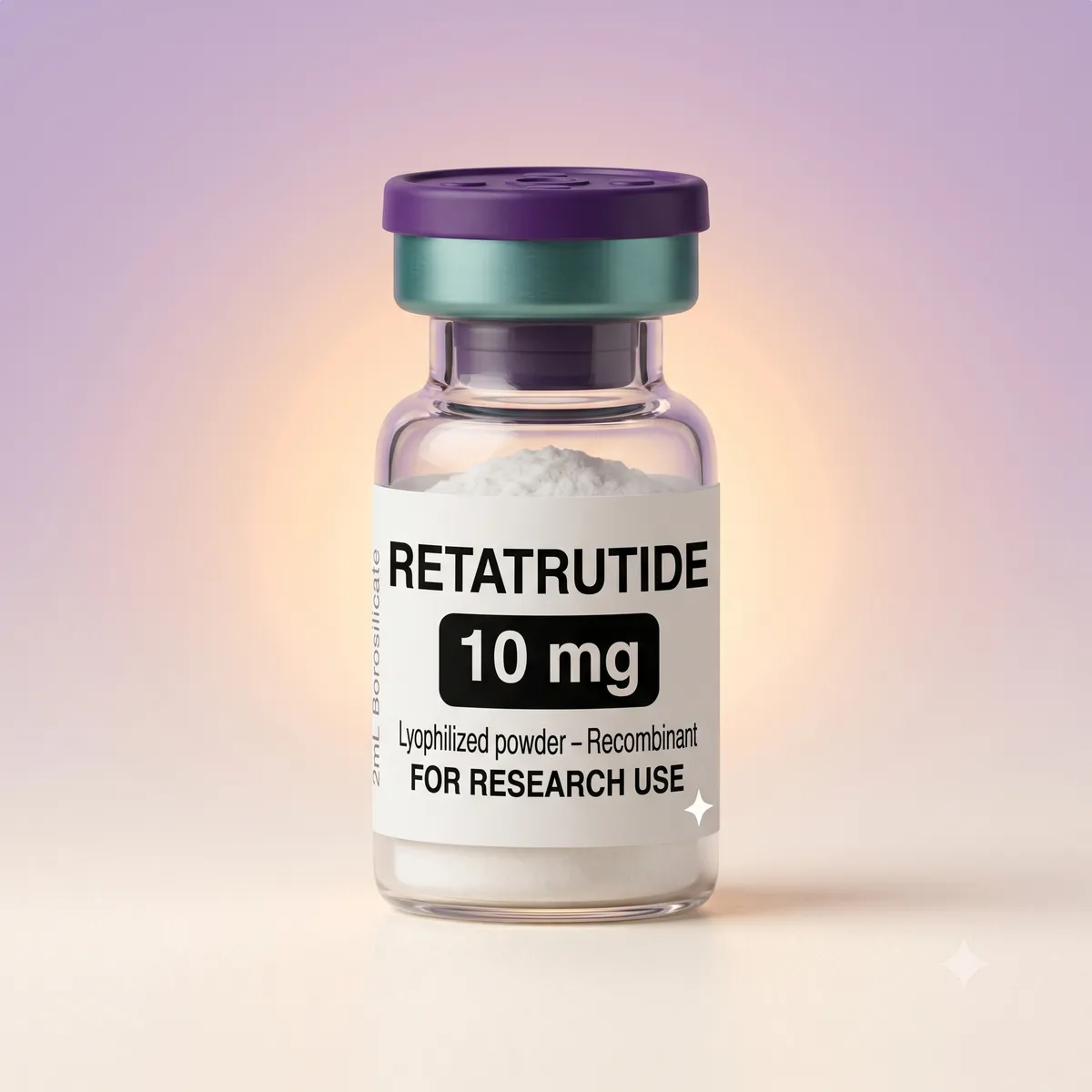
Glucagon-like peptide-1 receptor agonists (GLP-1 RAs) have completely transformed the weight management landscape. Medications such as semaglutide (Ozempic, Wegovy) and tirzepatide (Mounjaro, Zepbound) have demonstrated unprecedented success in helping individuals lose significant amounts of weight, often rivaling the outcomes of bariatric surgery. Their impact has propelled GLP-1 agonists into mainstream headlines, reshaping how medicine approaches the treatment of obesity.
But the story doesn't end with semaglutide and tirzepatide. A new wave of emerging GLP-1 peptides and multi-agonists—such as retatrutide—is currently under development, offering even greater potential for fat loss, metabolic health, and long-term disease prevention.
In this guide, we will break down:
- How GLP-1 receptor agonists work for weight loss.
- Key differences between semaglutide, tirzepatide, and emerging compounds.
- The promise of next-generation drugs like retatrutide.
- Risks, side effects, and long-term considerations.
- Where the science is heading in metabolic and obesity treatment.
What Are GLP-1s?
GLP-1 stands for "glucagon-like peptide-1," a hormone that your body naturally produces in the gut after eating. Its primary role is to help regulate blood sugar, appetite, and digestion. Scientists discovered that if you could amplify the effects of GLP-1, you could drastically alter how the body manages food, hunger, and weight.
That is where GLP-1 receptor agonists (GLP-1 RAs) come in. These are synthetic peptides or medications that mimic the action of GLP-1, binding to the same receptors in the pancreas, brain, and digestive system. The result?
- Stronger appetite control: You feel full sooner and eat less.
- Better blood sugar regulation: More insulin when you need it, and less glucagon when you don't.
- Slower digestion: Food moves through your stomach at a slower pace, keeping you satiated for longer.
Some GLP-1 agonists are single-action medications (like semaglutide), while others are dual- or triple-acting peptides (like tirzepatide and retatrutide) that target multiple receptors simultaneously for an even greater impact on metabolism.
In short, GLP-1s are part of a new class of therapies that move beyond willpower and dieting by working directly with your biology to enhance weight loss and metabolic health.
How Do GLP-1 Receptor Agonists Work?
When used as a therapeutic peptide, the effects of natural GLP-1 are amplified, leading to substantial weight loss and metabolic improvements.
→ Slowing Gastric Emptying
Food moves more slowly from the stomach to the intestines, creating longer-lasting fullness and reducing overall food intake.
→ Reducing Appetite Through the Brain
GLP-1 peptides activate receptors in the hypothalamus (the brain's appetite center), decreasing hunger signals and cravings.
→ Improving Insulin Sensitivity
By increasing insulin secretion in response to meals and decreasing glucagon release, GLP-1 agonists improve blood sugar control—a critical factor in obesity and type 2 diabetes.
→ Supporting Weight Loss Without Muscle Loss
Clinical studies show that the majority of the weight lost during GLP-1 therapy comes from fat mass rather than lean muscle, making them distinct from simple calorie-restriction approaches.
→ Providing Cardiometabolic Benefits
Beyond weight loss, GLP-1 receptor agonists have been linked to a lower risk of cardiovascular events, reduced inflammation, and improved liver health in patients with fatty liver disease.
In summary, GLP-1 agonists function by targeting both the physiological mechanisms of hunger and metabolic pathways, creating sustainable weight loss results that traditional dieting and exercise often struggle to achieve on their own.
Semaglutide and Tirzepatide: The Current Standard
Two GLP-1-based therapies dominate the weight loss landscape today: semaglutide and tirzepatide. Both have redefined what is possible in obesity medicine, but they work slightly differently and offer varying levels of effectiveness.
Semaglutide
(Ozempic, Wegovy)
- Mechanism: A pure GLP-1 receptor agonist, it mimics the natural hormone to suppress appetite, slow digestion, and stabilize blood glucose.
- Weight Loss Results: Clinical trials (the STEP program) demonstrated an average reduction of ~15% in body weight over 68 weeks in adults with obesity.
- Additional Benefits: Improvements in HbA1c (a key blood sugar control marker), cardiovascular risk factors, and reductions in visceral fat.
- Use Case: Widely prescribed both for type 2 diabetes management (Ozempic) and obesity treatment (Wegovy).
Tirzepatide
(Mounjaro, Zepbound)
- Mechanism: A DUAL agonist that targets both GLP-1 and glucose-dependent insulinotropic polypeptide (GIP) receptors, amplifying the insulin response and appetite regulation.
- Weight Loss Results: In the SURMOUNT-1 trials, patients achieved an average loss of ~21% of their body weight, outperforming semaglutide and approaching surgical outcomes.
- Additional Benefits: Strong improvements in insulin sensitivity, blood lipids, and liver fat reduction.
- Use Case: Approved by the FDA for type 2 diabetes (Mounjaro) and, more recently, for obesity (Zepbound), making it the most potent weight loss drug currently available.
Both compounds have shifted the focus of treatment from short-term diets to long-term metabolic therapy, offering patients realistic, sustainable solutions for obesity.
Emerging Compounds: Retatrutide and Beyond
If semaglutide and tirzepatide represented the first wave of game-changers, the next wave of GLP-1-based therapies looks even more impressive. Drug developers are pushing past one- and two-hormone targets, exploring multi-agonist peptides that target several pathways at once.
Retatrutide
Retatrutide is being hailed as a "triple agonist" because it activates GLP-1, GIP, and glucagon receptors. This combination not only reduces appetite but can also supercharge fat metabolism and increase energy expenditure. Early clinical trials have shown weight loss approaching 24% of body weight, which goes beyond anything seen with current medications. To put that into perspective, it is on par with certain bariatric surgery outcomes, but without the surgery itself.
Other Emerging Compounds
- Cagrilintide + Semaglutide Combination: This pairs GLP-1 action with amylin receptor activation, further suppressing appetite and slowing digestion.
- Oral GLP-1 Formulations: Pills instead of injections are currently in development, which could make it much easier for patients to adhere to these therapies over the long term.
- Next-Generation Dual and Triple Agonists: Beyond retatrutide, other compounds are being engineered to fine-tune multiple metabolic pathways, aiming for greater fat loss and improved safety profiles.
The exciting part about these new medications is that they aren't just about losing pounds—they are being studied for broader metabolic health improvements, such as reversing fatty liver disease, lowering inflammation, and protecting cardiovascular function. We are still in the early days, but the pipeline of GLP-1-related therapies suggests that the future of obesity treatment will look vastly different from the past—less about dieting harder, and more about using precision medicines that directly target the body's biology.
Benefits of GLP-1 Peptides for Weight Loss
The reason GLP-1 drugs like semaglutide, tirzepatide, and retatrutide have exploded in popularity is not just because they help people lose weight—it is because they deliver a comprehensive package of health improvements alongside fat loss. Here is what research and clinical use show so far:
- Significant and Sustainable Weight Loss: Unlike crash diets or quick fixes, GLP-1 agonists target the body’s hunger and satiety signals. Patients frequently report feeling full faster and eating less without a constant mental struggle. Clinical trials consistently show double-digit percentage drops in body weight.
- Enhanced Blood Sugar Control: GLP-1s improve how the body manages glucose by increasing insulin release when needed and reducing excess glucagon. This translates to better blood sugar stability, fewer spikes and crashes, and major benefits for individuals with prediabetes or type 2 diabetes.
- Reduced Visceral Fat: Weight loss isn't just about the number on the scale—it's also about where the fat is lost. GLP-1 therapies have been shown to shrink visceral fat, the dangerous type stored around organs that drives heart disease and metabolic syndrome.
- Cardiovascular Protection: Large-scale studies have found that GLP-1 agonists reduce the risk of major cardiovascular events, such as heart attacks and strokes. For patients living with obesity and diabetes, this is a game-changing advantage.
- Improved Quality of Life: Beyond medical metrics, many users report decreased joint pain, better sleep quality, improved energy levels, and a more positive relationship with food. These lifestyle benefits are part of what makes GLP-1 therapy sustainable compared to traditional diets.
Risks, Side Effects, and Long-Term Considerations
GLP-1 therapies have shown impressive results, but like any medication, they come with side effects and considerations that must be carefully weighed. For many patients, the benefits outweigh the drawbacks—but understanding the full picture is critical.
Common Side Effects
- Gastrointestinal Issues: Nausea, vomiting, diarrhea, and constipation are the most frequent complaints, especially when starting treatment or increasing the dose. Most people adapt over time.
- Extremely Reduced Appetite: Some patients experience such low hunger signals that they struggle to get enough nutrients or protein, potentially leading to muscle loss if the diet is not managed carefully.
More Serious Concerns
- Gallbladder Problems: Rapid weight loss from GLP-1 use has been linked to gallstones and other complications.
- Pancreatitis Risk: Although rare, there have been reports of inflammation of the pancreas. Patients with a history of pancreatitis are often advised against GLP-1 therapy.
- Thyroid Tumor Concerns: In rodent studies, certain GLP-1 drugs were linked to thyroid C-cell tumors. While this risk is unconfirmed in humans, the FDA warning remains on the labeling.
Long-Term Considerations
- Weight Regain After Stopping: Studies show that when patients discontinue the therapy, much of the lost weight can return, often within a year. This suggests that long-term or even lifelong treatment may be necessary for sustained results.
- Cost and Access: These medications are expensive. Long-term affordability is a real barrier for many people.
- Lifestyle Still Matters: GLP-1s are not magic. Without proper nutritional support and exercise, patients risk losing muscle mass along with fat, or facing weight regain once the drug is discontinued.
In other words, GLP-1 peptides are powerful, but they are not a free pass—they work best as part of a broader strategy that includes a proper diet, resistance training, and long-term lifestyle changes.
Legal Status and How to Access GLP-1 Therapies
GLP-1 receptor agonists such as semaglutide (Ozempic, Wegovy) and tirzepatide (Mounjaro, Zepbound) are FDA-approved prescription medications. This means they are only legally available through a licensed healthcare provider.
Current Legal Status
- United States: Semaglutide and tirzepatide are FDA-approved. Retatrutide and other next-generation peptides are still in clinical trials.
- Global: Many countries have approved semaglutide, and tirzepatide approvals are currently rolling out internationally.
- Compounding Pharmacies: In some regions, compounding pharmacies offer custom formulations of semaglutide. However, this market is not regulated in the same manner, raising questions regarding purity and safety.
Buyer Beware: Unregulated online sources claiming to sell GLP-1 peptides are highly risky. Many contain improper dosages, impurities, or counterfeit formulas. Without medical supervision, the risk of serious side effects or complications increases significantly.
Conclusion: The Future of GLP-1 Therapies
GLP-1 peptides have completely reshaped the conversation around weight loss. Medications like semaglutide and tirzepatide have proven that targeting hunger and metabolism at a hormonal level can lead to double-digit weight reductions and major health improvements. And with compounds like retatrutide in the pipeline, the next generation of therapies could push these results even further.
Even so, GLP-1 drugs are not without their challenges. Side effects, long-term costs, the potential for weight regain after discontinuation, and the necessity of medical supervision mean they are not a simple fix. For the best results, they should be combined with proper nutrition, resistance training, and sustainable lifestyle changes.
The Bottom Line: GLP-1 therapies represent a new era in obesity treatment, offering tools that go far beyond willpower or dieting alone—but they work best when paired with a comprehensive, long-term health strategy.