For years, GLP-1 receptor agonists lived under a single label: weight-loss drugs. That category is no longer sufficient. Between 2023 and 2026, a wave of phase 3 clinical trials — in cardiology, nephrology, hepatology, and heart failure medicine — demonstrated that semaglutide and tirzepatide do far more than reduce body weight.
The finding that changed the clinical conversation came from a prespecified analysis of SELECT published in The Lancet in 2025: the cardiovascular benefit of semaglutide is independent of baseline BMI and magnitude of weight loss. In other words, people who lost little weight also benefited. That suggests something beyond a simple weight-loss effect. It suggests a disease-modifying class.
In this guide, we review what recent clinical evidence shows about the systemic effects of GLP-1s: heart, kidney, liver, and inflammation. And we address the questions that remain unanswered.
The Pivotal Finding: The Benefit Does Not Depend on Weight Alone
The SELECT study, published in The New England Journal of Medicine in 2023, enrolled 17,604 adults with established cardiovascular disease, overweight or obesity, and without diabetes. Over nearly four years of follow-up, semaglutide 2.4 mg weekly reduced major cardiovascular events (cardiovascular death, non-fatal MI, and non-fatal stroke) by 20% versus placebo.
The truly disruptive finding came later. The prespecified analysis published in The Lancet in 2025 demonstrated that this event reduction was independent of baseline BMI and how much weight each patient lost. That is: cardiovascular protection appears even in people who lose little weight.
This forces a rethinking of the class. If semaglutide worked solely because it causes weight loss, the benefits should concentrate in those who lose the most weight. That is not what was observed. Something else is at play — reduced systemic inflammation, improved endothelial function, central neuroendocrine modulation — and it cannot be explained by BMI reduction alone.
Heart: The SELECT Trial and the New Cardiovascular Era
SELECT was not the first cardiovascular trial with GLP-1, but it was the first to demonstrate benefit in people without diabetes. Previously, large trials such as LEADER (liraglutide), SUSTAIN-6 (semaglutide), and REWIND (dulaglutide) had shown cardiovascular protection, but all in patients with type 2 diabetes. SELECT extended that indication to the territory of obesity without diabetes.
Key points from the cardiovascular evidence program:
→ Reduction in major events
HR 0.80 (95% CI 0.72–0.90) for the composite of CV death, MI, and stroke. A 20% relative risk reduction in a population already at high baseline risk.
→ Sustained benefit at 4 years
Weight loss was maintained at 208 weeks (−10.2% vs −1.5% placebo, per Ryan D.H. et al. in Nature Medicine 2024), supporting long-term use.
→ Independence from weight lost
The analysis by Deanfield J. et al. in The Lancet 2025 showed that CV protection was not concentrated in those who lost the most weight. This repositions the class as a disease modifier, not merely a weight-loss drug.
→ Expanded regulatory approval
Based on SELECT, the FDA approved semaglutide for cardiovascular risk reduction in people with obesity and established cardiovascular disease — without requiring diabetes.
Kidney: The FLOW Trial and the First Renal Indication
Nephrology did not expect GLP-1s. Until a few years ago, renal therapies were limited to renin-angiotensin system inhibitors (ACEi/ARBs) and, more recently, SGLT2 inhibitors. The FLOW trial changed that.
Published in The New England Journal of Medicine in 2024 by Perkovic V., Tuttle K.R., Rossing P. et al., FLOW enrolled 3,533 patients with type 2 diabetes and chronic kidney disease (eGFR 25–75 + albuminuria) across 28 countries. It was stopped early by the independent committee upon detecting clear efficacy.
Key results:
→ Renal-CV composite endpoint: −24%
A 24% reduction in the composite of ≥50% eGFR decline, progression to dialysis, transplant, or renal/cardiovascular death. HR 0.76 (p<0.001).
→ Slower decline in glomerular filtration
The annual slope of eGFR decline was 1.16 mL/min/1.73m² lower with semaglutide vs placebo.
→ Consistent benefit across all CKD severity
The subsequent analysis by Mahaffey K.W. et al. in European Heart Journal 2024 confirmed renal protection across all severity subgroups.
In January 2025, the FDA approved semaglutide for chronic kidney disease in type 2 diabetes. It is the first time a GLP-1 has entered the territory of nephrologists as a disease-modifying therapy.
How does it protect the kidney? Three mechanisms appear to converge: reduction of glomerular hyperfiltration and intraglomerular pressure, decreased inflammatory markers (documented in Cell Metabolism by Wong C.K., Drucker D.J. et al. in 2024), and improved glycemic control. The convergence matters: no single mechanism explains the entire benefit.
Heart Failure with Preserved EF: STEP-HFpEF and SUMMIT
Heart failure with preserved ejection fraction (HFpEF) is one of the most challenging areas in cardiology. Until recently, no therapy consistently improved symptoms and events in this phenotype. GLP-1s changed the landscape, especially in HFpEF associated with obesity.
Two independent trials, with different drugs, reached convergent conclusions:
→ STEP-HFpEF (semaglutida)
Kosiborod M.N., Abildstrøm S.Z., Borlaug B.A. et al. published in NEJM 2023 the results of STEP-HFpEF: 529 patients with HFpEF + obesity without diabetes. Improvement of +16.6 points in KCCQ-CSS (HF-specific quality of life) vs +8.7 with placebo. A 20.3-meter improvement in 6-minute walk test. And a 43.5% reduction in hs-CRP, partially independent of weight loss.
→ STEP-HFpEF DM
An extension published by the same group in The Lancet 2024 with 616 patients with HFpEF + obesity + T2DM confirmed similar functional benefits, independent of baseline HbA1c.
→ SUMMIT (tirzepatide)
Packer M., Zile M.R., Kramer C.M. et al. published in NEJM 2024 the results of SUMMIT: 731 patients with HFpEF and obesity. A 38% reduction in the composite of CV death or HF hospitalization. Worsening HF with HR 0.54 (CI 0.34–0.85). Systolic pressure reduction of 5 mmHg and estimated blood volume reduction of 0.58 L.
When two independent trials, with two different drugs, in the same population reach mutually reinforcing conclusions, the evidence solidifies. Hemodynamic decongestion, reduction of visceral adiposity pressing on the heart, and modulation of systemic inflammation appear to converge to produce the benefit.
Liver: ESSENCE, SYNERGY-NASH, and the Reversal of Fibrosis
Metabolic dysfunction-associated steatohepatitis (MASH, formerly NASH) affects a growing proportion of adults with obesity and metabolic syndrome. Until recently, no therapy had proven efficacy in reversing hepatic fibrosis in this setting. Two trials changed that.
→ ESSENCE (semaglutida)
Sanyal A.J., Newsome P.N. et al. published in NEJM 2025 the interim results of ESSENCE: 1,200 adults with MASH and F2–F3 fibrosis (moderate to advanced, without cirrhosis), semaglutide 2.4 mg vs placebo over 72 weeks. Fibrosis improvement without MASH worsening: 37.0% vs 22.5%. Resolution of steatohepatitis without fibrosis worsening: significantly superior to placebo. Sustained improvements in ALT, AST, GGT, and ELF test.
In 2025, the FDA approved semaglutide 2.4 mg for MASH. This is another indication that extends the therapeutic reach of the drug.
→ SYNERGY-NASH (tirzepatide)
Loomba R., Hartman M.L., Sanyal A.J. et al. published in NEJM 2024 the results of SYNERGY-NASH: 190 patients with MASH F2–F3, tirzepatide 5/10/15 mg vs placebo over 52 weeks. MASH resolution without fibrosis worsening: 51.8% (5 mg), 62.8% (10 mg), 73.3% (15 mg) vs 13.2% with placebo. Improvement ≥1 fibrosis stage: up to 54.2% with 15 mg vs 32.8% placebo.
Mechanistically, GLP-1s reduce the flux of fatty acids to the liver, decrease lipotoxicity, and modulate hepatic inflammatory cytokines. When the inflammatory stimulus is removed, hepatic stellate cells stop producing collagen and scar tissue begins to remodel. What was assumed to be a one-way path (fibrosis) shows capacity for reversal when its root causes are addressed.
The Common Denominator: Systemic Inflammation
There is an invisible thread running through all these benefits — a single one, present in cardiology, nephrology, hepatology, and even in emerging addiction studies. That thread is the modulation of low-grade systemic inflammation.
Wong C.K., Drucker D.J. et al. published in Cell Metabolism in 2024 a pivotal mechanistic study: the anti-inflammatory effect of GLP-1s is exerted predominantly via GLP-1 receptors in the central nervous system, not through receptors on peripheral immune cells. The signaling involves α1-adrenergic and κ-opioid pathways, suppressing inflammatory responses induced by stimuli such as LPS.
This translates into consistent clinical data:
- STEP-HFpEF: 43.5% reduction in hs-CRP, partially independent of weight lost.
- SUMMIT: 37.2% reduction in hs-CRP.
- SELECT: decrease in inflammatory markers reported in secondary analyses.
Low-grade chronic inflammation is one of the terrains where atherosclerosis, endothelial dysfunction, hepatic fibrosis, and other chronic processes thrive. Partially turning it off — without it being the sole mechanism — explains a large part of the pleiotropic effect of the class.
Why So Many Systems? The GLP-1 Receptor Is Everywhere
The pleiotropy of GLP-1s is no coincidence. It is the biological footprint of a widely distributed receptor. The GLP-1 receptor is expressed in:
- Central nervous system: hypothalamus, area postrema, hippocampus, ventral tegmental area, nucleus accumbens.
- Heart: cardiac atrium, endothelial cells.
- Kidney: proximal tubule, mesangial cells.
- Vasculature: arterial endothelium.
- Liver: limited expression in hepatocytes and Kupffer cells.
- Stomach: regulation of gastric emptying.
- Pancreas: beta cells (original mechanism).
When a drug activates a receptor present in so many tissues, multiple effects cease to be surprising. What would be surprising is if there were only one effect.
What We Still Don't Know
The body of evidence for GLP-1s is robust, but important open questions remain:
- Treatment duration: Is there an optimal period? Can treatment be discontinued after sustained benefits are achieved? Available data suggest that upon discontinuation, most of the weight is regained. Regarding systemic benefits after discontinuation, data remain limited.
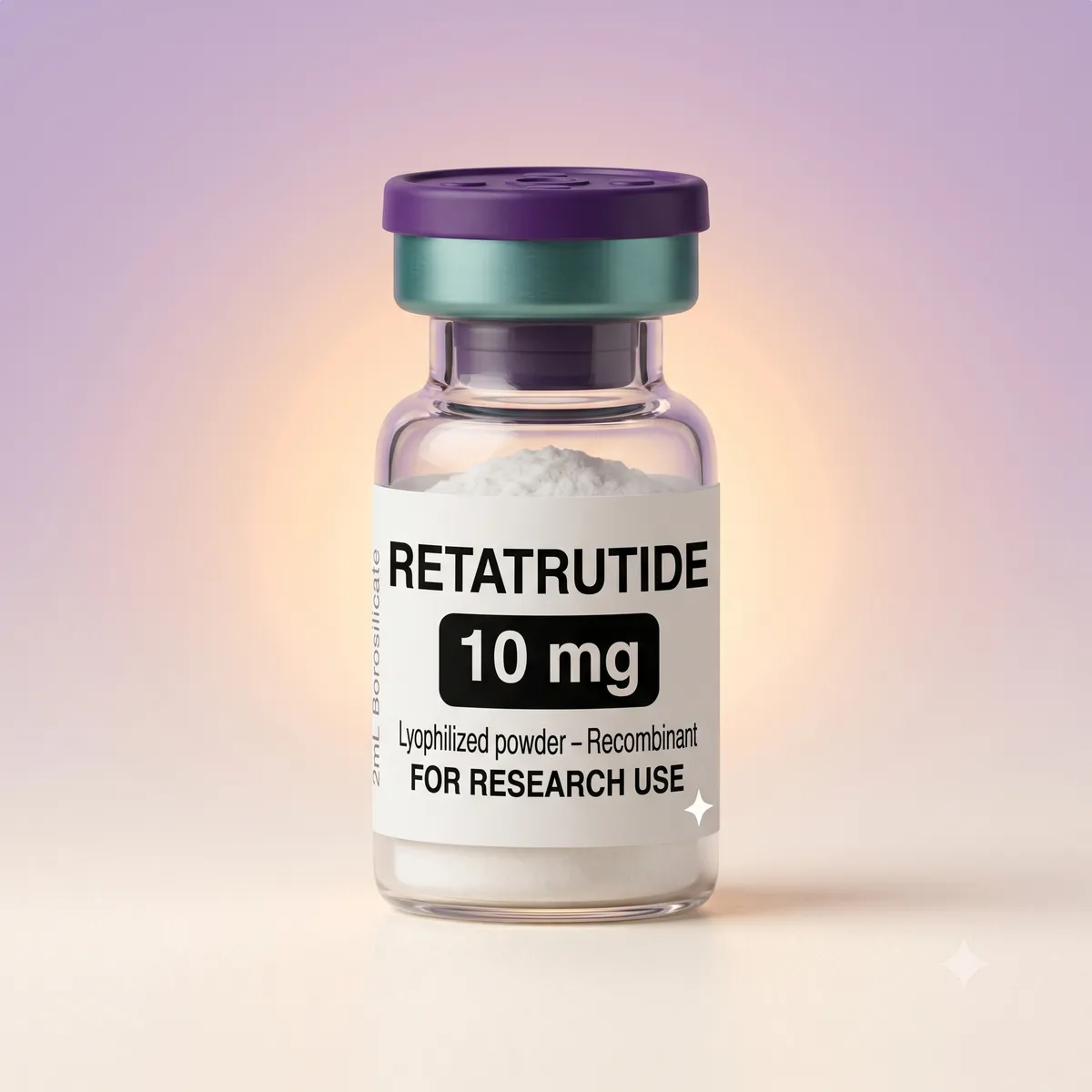
- Combinations: What about cagrilintide + semaglutide, retatrutide (triple agonist), and other emerging combinations? Ongoing trials will provide answers.
- Latin American populations: Most pivotal trials were conducted in North America and Europe. Data in Colombian and Latin American cohorts are scarce and represent a regional need.
- Sarcopenia and lean mass: Between 26% and 40% of weight lost in these trials corresponds to lean mass. How to mitigate this (protein, resistance training, body composition monitoring) is a separate chapter that we cover in another article and that deserves its own examination.
Conclusion: A New Drug Category
Five years ago, GLP-1s were positioned as antidiabetics with weight benefits. Today, with six approved indications — type 2 diabetes, obesity, cardiovascular prevention in obesity with CVD, chronic kidney disease in T2DM, MASH with fibrosis, and heart failure with preserved EF — the clinical conversation treats them as a metabolic disease-modifying class. The category was redefined one trial at a time.
For those evaluating these peptides, the practical conclusion is threefold. First, the benefits extend beyond weight loss; there is a robust systemic layer of organ protection. Second, these benefits are indication-specific: that a GLP-1 works in HFpEF does not mean it works in Alzheimer's (negative trials in dementia and Parkinson's serve as a reminder). Third, no therapy replaces the classic pillars of health — sleep, nutrition, resistance training, blood pressure and lipid management. GLP-1s are a powerful tool when integrated into a broader strategy.
The new era is not about losing weight faster. It is about protecting systems while body composition improves. That is the category that is emerging.
Find more information here:
Semaglutida Tirzepatida RetatrutidaKey References
- Lincoff A.M. et al. Semaglutide and Cardiovascular Outcomes in Obesity without Diabetes (SELECT). New England Journal of Medicine 2023;389(24):2221–2232. [Link]
- Deanfield J. et al. Semaglutide and cardiovascular outcomes by baseline and changes in adiposity measurements (prespecified analysis of SELECT). The Lancet 2025. [Link]
- Perkovic V., Tuttle K.R., Rossing P. et al. Effects of Semaglutide on Chronic Kidney Disease in Patients with Type 2 Diabetes (FLOW). New England Journal of Medicine 2024;391:109–121. [Link]
- Kosiborod M.N., Abildstrøm S.Z., Borlaug B.A. et al. Semaglutide in Patients with Heart Failure with Preserved Ejection Fraction and Obesity (STEP-HFpEF). New England Journal of Medicine 2023;389(12):1069–1084. [Link]
- Packer M., Zile M.R., Kramer C.M. et al. Tirzepatide in Heart Failure with Preserved Ejection Fraction and Obesity (SUMMIT). New England Journal of Medicine 2024. [Link]
- Sanyal A.J., Newsome P.N. et al. Semaglutide in MASH with Fibrosis (ESSENCE). New England Journal of Medicine 2025.
- Loomba R., Hartman M.L., Sanyal A.J. et al. Tirzepatide for the Treatment of MASH with Fibrosis (SYNERGY-NASH). New England Journal of Medicine 2024. [Link]
- Wong C.K., McLean B.A., Baggio L.L., Drucker D.J. et al. Central GLP-1 receptor activation mediates the systemic anti-inflammatory effect of GLP-1 receptor agonists. Cell Metabolism 2024;36(1):130–143. [Link]
- Ryan D.H. et al. Long-term weight loss effects of semaglutide in obesity without diabetes in the SELECT trial. Nature Medicine 2024. [Link]